iPhone 18 vs iPhone 18 Pro: Which One Should You Buy?
Apple's iPhone 18 lineup marks one of the biggest design shifts in years, headlined by a genuine 2-nanometer chip and the long-rumored move to under-display Face ID components on the Pro models. The gap between the standard iPhone 18 and the Pro has also grown wider than in recent generations. Here's a full category-by-category breakdown to help you decide.

Category | iPhone 18 | iPhone 18 Pro | ||
|---|---|---|---|---|
Design | ⚠️ Same Dynamic Island, no redesign | ✅ Under-display Face ID, cleaner look | ||
Chip | ⚠️ A20 (2nm) | ✅ A20 Pro (2nm), ~15% faster | ||
Display | ⚠️ Standard panel, unchanged | ✅ New LTPO+ panel technology | ||
Cameras | ❌ Carried over from iPhone 17 | ✅ Variable aperture + 24MP selfie camera | ||
Modem | ⚠️ Standard Qualcomm modem | ✅ Apple in-house C2 modem | ||
Satellite | ⚠️ Emergency-only | ✅ Expanded satellite features | ||
Colors | ✅ No known cosmetic issues | ⚠️ Dark red may have color-shifting issue |
1. Design
Winner: iPhone 18 Pro
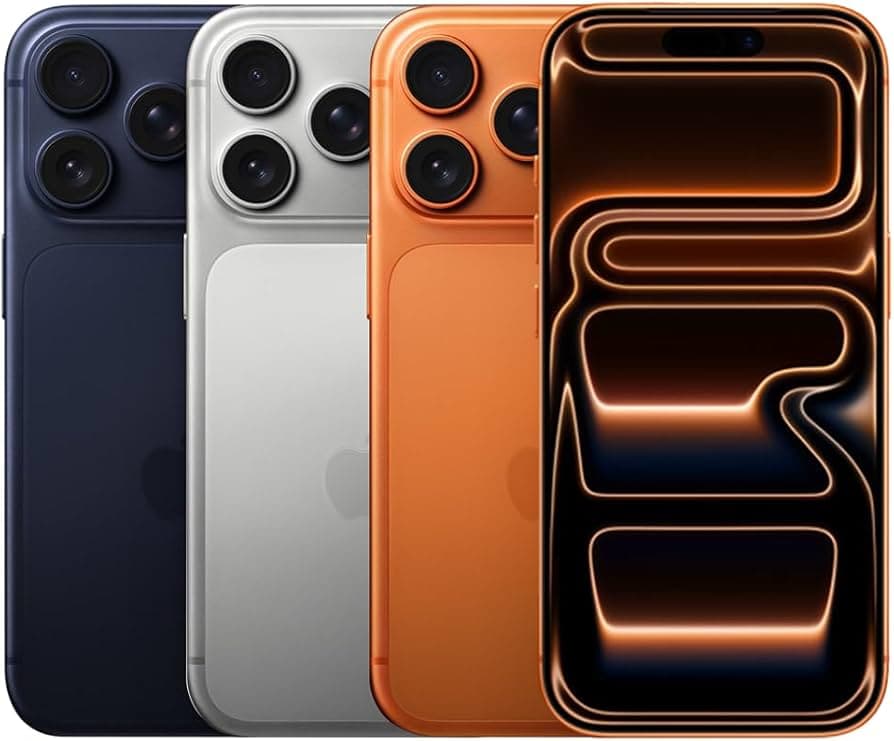
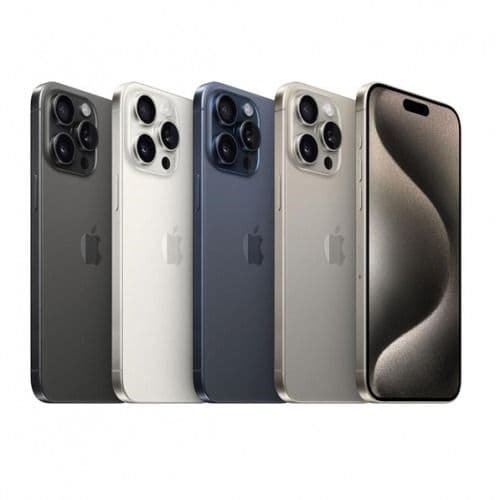
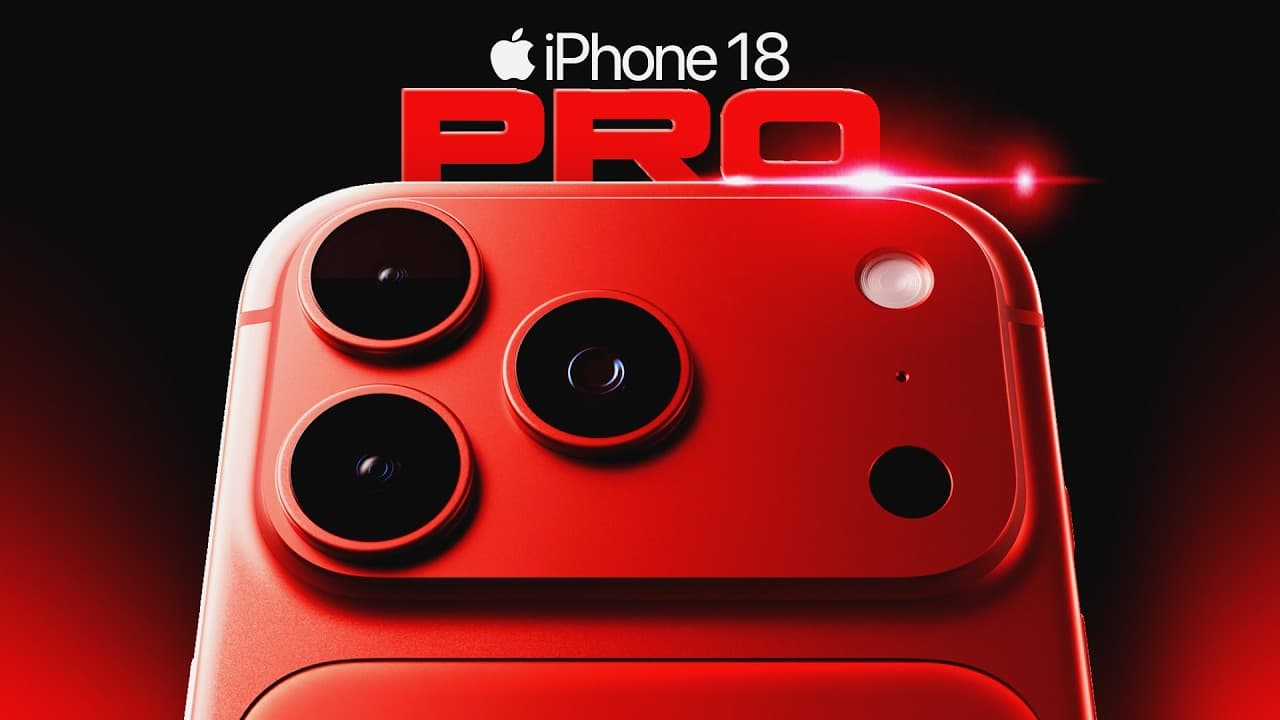
The Pro models ditch the notch-derived Dynamic Island in favor of either a hole-punch cutout or a noticeably smaller pill-shaped cutout, moving the Face ID, light, and proximity sensors under the display for a cleaner, more edge-to-edge look. The standard iPhone 18 keeps its existing Dynamic Island design unchanged.
Key Points:
- iPhone 18 Pro: Under-display Face ID components, smaller cutout or hole-punch camera
- iPhone 18 Pro: Slightly thicker camera plateau (~2mm more than iPhone 17 Pro)
- iPhone 18: Same Dynamic Island design carried over, no major visual changes
Why It Matters: If a genuinely redesigned look matters to you, this is the first time in years the standard model has been left visually behind.
2. Chip & Performance
Winner: iPhone 18 Pro (Edge)
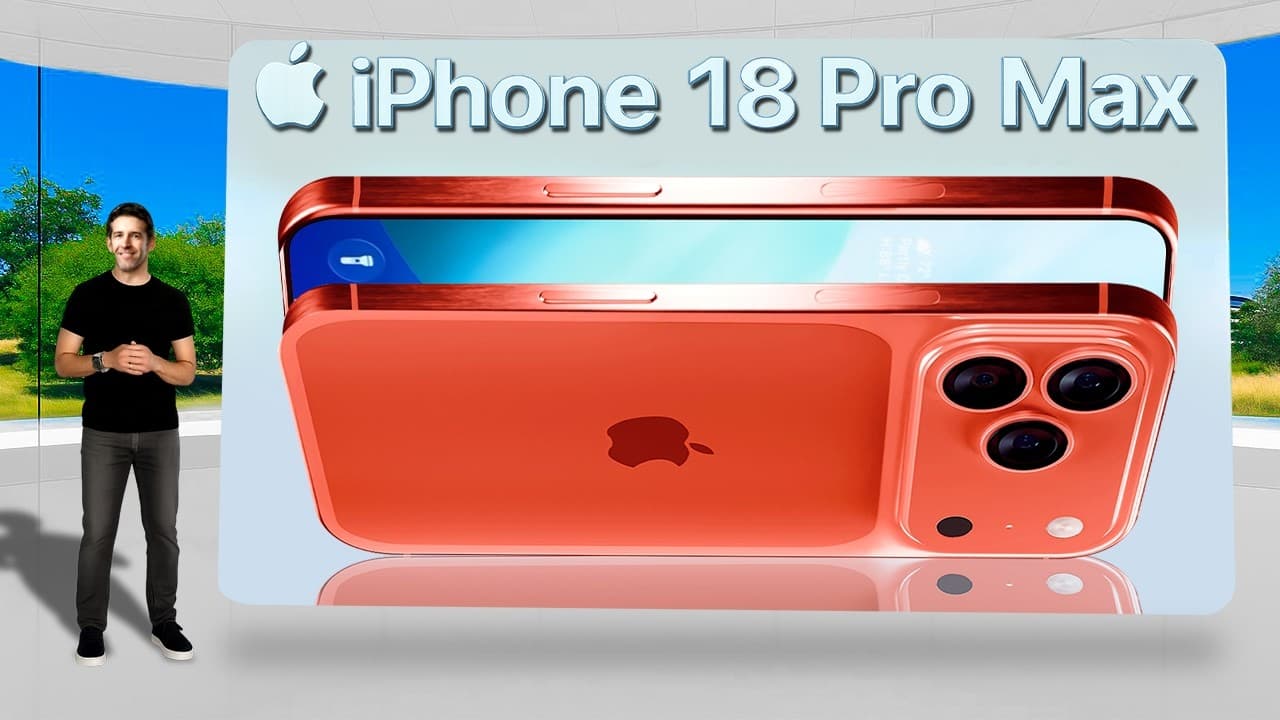
Both models move to TSMC's 2-nanometer process for the first time, a meaningful jump from the 3nm node — but the Pro gets the higher-tier variant of the chip.
Key Points:
- iPhone 18: Apple A20 (2nm)
- iPhone 18 Pro: Apple A20 Pro (2nm), roughly 15% faster than the previous generation
- iPhone 18 Pro: LTPO+ display panels for improved speed and power efficiency
Why It Matters: Both chips benefit from the same node shrink, so daily performance will feel fast either way — the Pro's edge shows up most in sustained, demanding tasks.
3. Display
Winner: iPhone 18 Pro
Display sizes stay the same as last generation, but the Pro's panel technology takes a real step forward with LTPO+ support.
Key Points:
- iPhone 18: 6.3" display, unchanged panel tech
- iPhone 18 Pro: 6.3" display; iPhone 18 Pro Max: 6.9" display
- iPhone 18 Pro: New LTPO+ panels for faster response and better efficiency
Why It Matters: The size stays identical across the standard and Pro 6.3" models — the real difference is in panel quality, not screen real estate.

4. Cameras
Winner: iPhone 18 Pro
This is where the two models diverge the most. The Pro lineup gains a variable aperture camera system and an upgraded selfie camera, while the standard iPhone 18 carries over its existing camera hardware with only minor tuning improvements.
Key Points:
- iPhone 18 Pro: Variable aperture camera (most prominent on Pro Max)
- iPhone 18 Pro: Upgraded 24MP selfie camera
- iPhone 18: Camera hardware carried over from iPhone 17, minor tuning only
Why It Matters: Camera quality is the single biggest reason to pay extra for the Pro this generation — the gap is wider than in past years.

5. Modem & Connectivity
Winner: iPhone 18 Pro
The Pro models get Apple's own in-house modem for the first time, alongside meaningfully expanded satellite features.
Key Points:
- iPhone 18 Pro: Apple in-house C2 modem, closing the performance gap with Qualcomm
- iPhone 18 Pro: Satellite connectivity expanded well beyond emergency-only use
- iPhone 18: Standard modem carried over, emergency-only satellite features
Why It Matters: If you travel somewhere with unreliable cell coverage often, the Pro's expanded satellite features are a genuine practical upgrade, not just a spec-sheet bump.

6. Colors & Finish
Winner: Tie
Both lineups get fresh color options, though the Pro's finishes carry a known cosmetic quirk worth knowing about before buying.
Key Points:
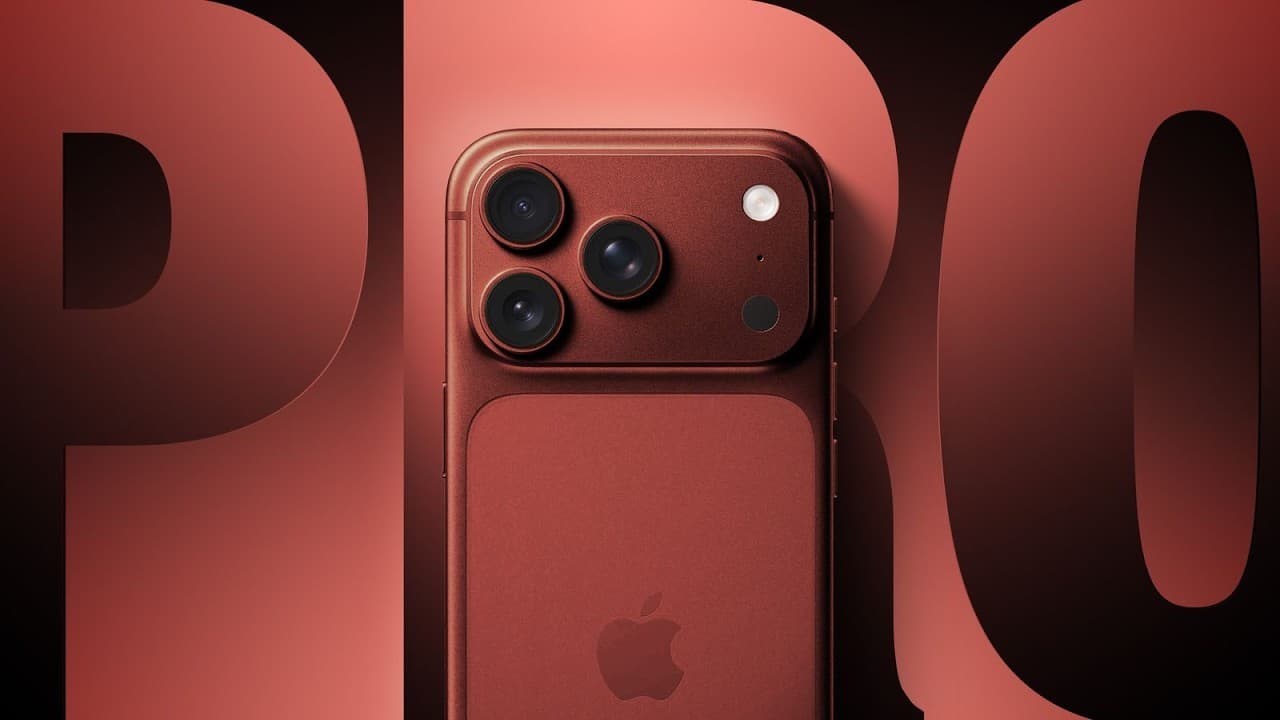
- iPhone 18 Pro: Available in dark red, light blue, silver, and dark gray
- iPhone 18 Pro: Dark red units reportedly inherit the same color-shifting issue seen on the orange iPhone 17 Pro
- iPhone 18: Standard color lineup, no reported cosmetic issues
Why It Matters: If color consistency matters to you, it's worth checking reviews on the Pro's dark red finish specifically before choosing that color.
Final Verdict
Choose iPhone 18 Pro if: You want the redesigned look with under-display Face ID, the strongest camera system Apple has ever shipped on a phone, or the practical benefits of the new in-house modem and expanded satellite connectivity.
Choose iPhone 18 if: You want the same reliable core experience as previous generations at a lower price, and don't mind skipping this year's biggest design and camera upgrades.
For the first time in a while, this isn't a close call — the Pro's under-display Face ID, variable aperture camera, and in-house modem make it feel like a genuinely different device rather than just a spec bump. If budget allows, the Pro is the clear pick this generation.