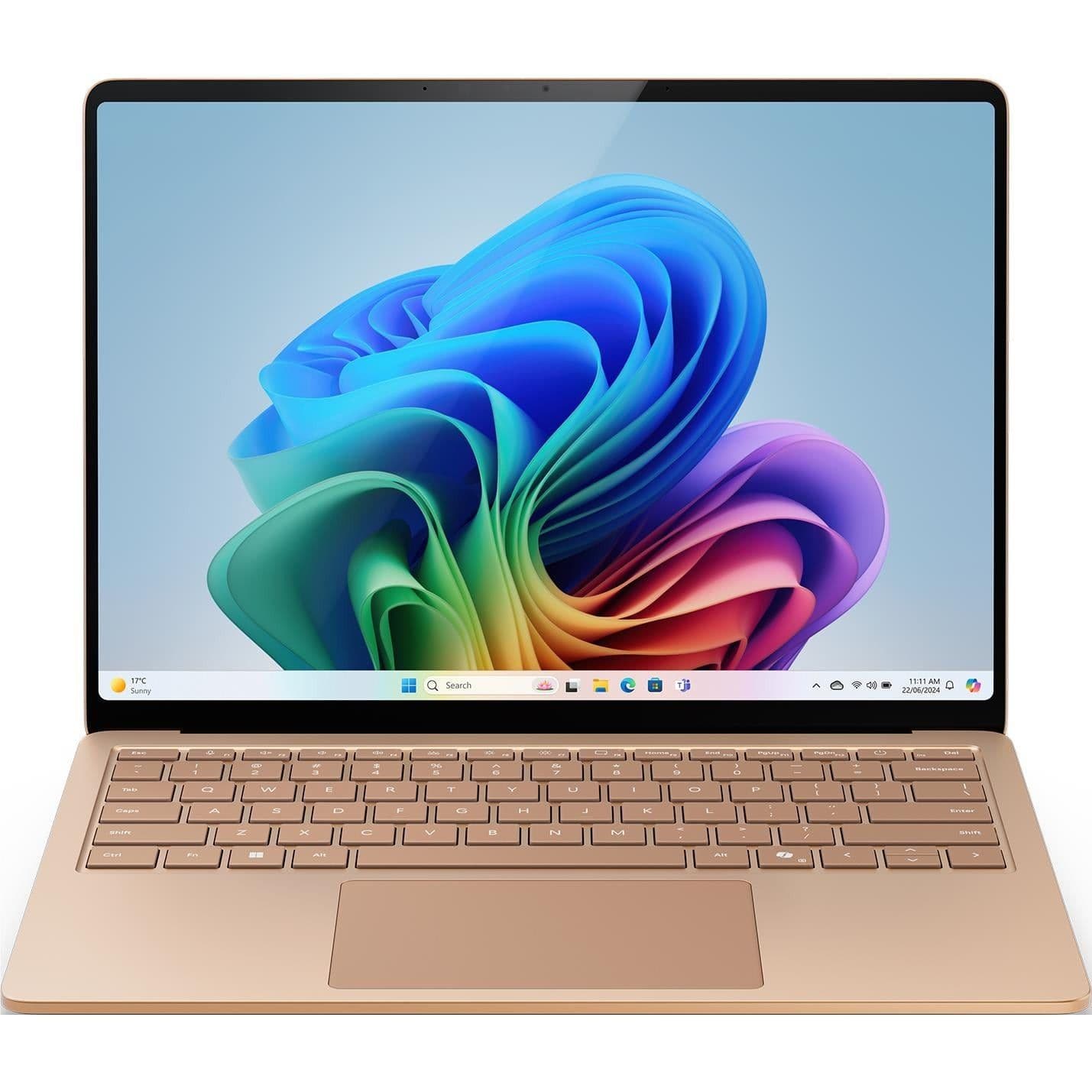
PC vs PS5: Which Is Actually Best for Gaming in 2026?
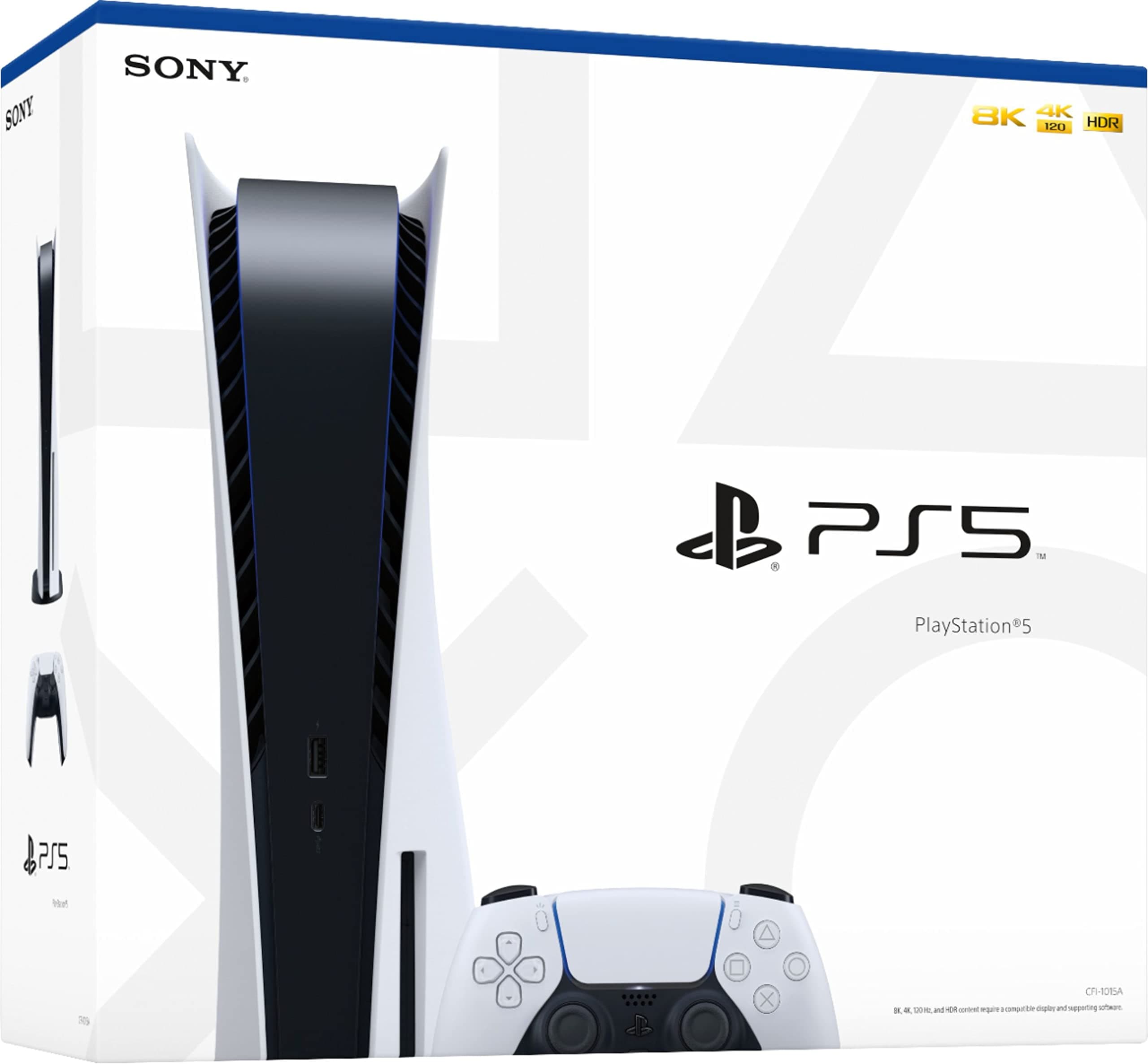
Sony's April 2026 price hike pushed the PS5 to its highest price point since launch, reopening a debate that never really goes away: is a gaming PC actually the better buy? The honest answer depends heavily on what you value — plug-and-play simplicity and exclusives, or long-term flexibility and better long-run value. Here's a full breakdown using current, real pricing on both sides.
Quick Comparison
Category | PC | PS5 | ||
|---|---|---|---|---|
Upfront Cost | ✅ ~$544-750 (budget/secondhand builds) | ⚠️ $649.99 (disc) / $599.99 (Digital) | ||
Performance | ✅ Matches or exceeds at similar price | ⚠️ Solid, PS5 Pro is $899.99 | ||
Game Sales | ✅ Deep Steam/Epic discounts | ✅ Comparable discounts on older titles | ||
Exclusives | ⚠️ No guaranteed access to PS exclusives | ✅ Sony first-party lineup | ||
Ease of Use | ⚠️ Requires occasional tuning | ✅ True plug-and-play | ||
Online Multiplayer Cost | ✅ Free (Steam, Epic, etc.) | ❌ Requires PS Plus subscription | ||
Upgradability | ✅ Swap parts as needed | ❌ Fixed hardware, no upgrade path |
1. Upfront Cost
Winner: PC (Edge)
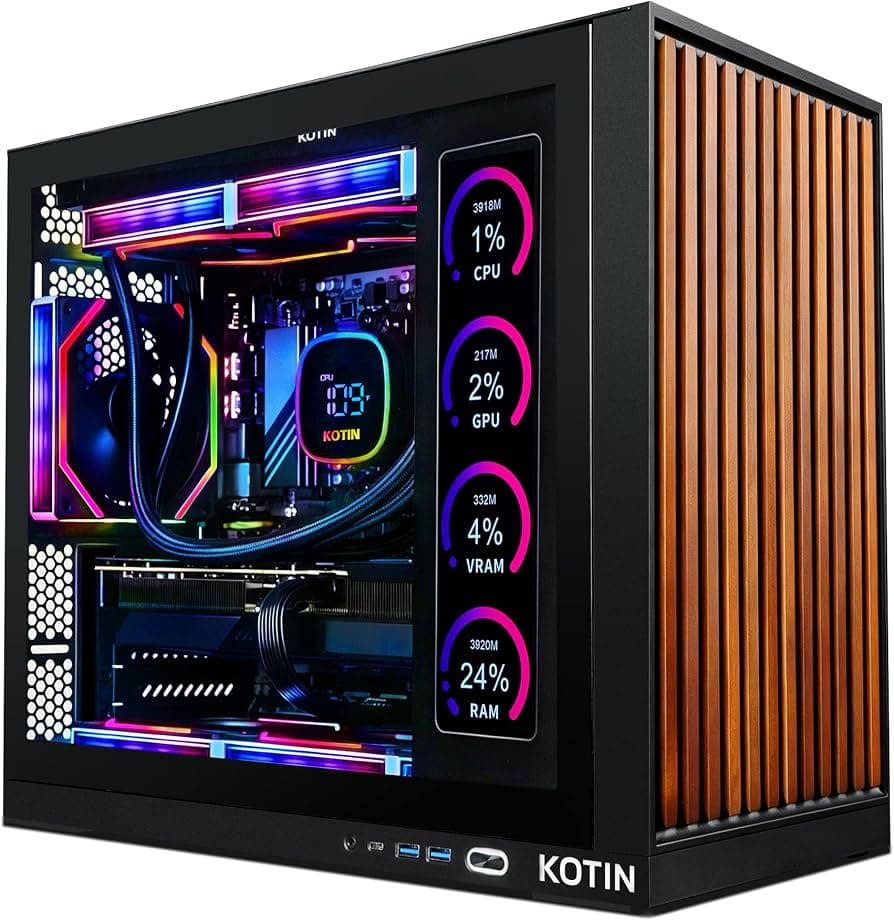
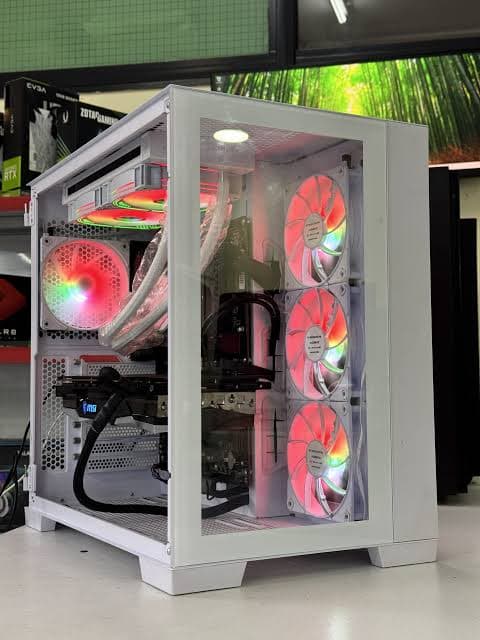
Following Sony's April 2026 price increase, the base PS5 now costs $649.99 (or $599.99 for the Digital Edition), while a comparably capable secondhand or budget-built gaming PC can match or beat that performance for a similar or lower price if you're willing to shop carefully.
Key Points:
- PS5: $649.99 (disc) / $599.99 (Digital Edition) as of April 2026
- PS5 Pro: $899.99 as of April 2026
- A budget PC build using new parts lands around $700-750 for PS5-equivalent or better performance; secondhand-focused builds have been assembled for as little as $544
Why It Matters: The PS5's price increase has genuinely narrowed or erased its traditional upfront cost advantage over PC, especially for buyers willing to consider secondhand PC parts.
2. Performance & Graphics
Winner: PC
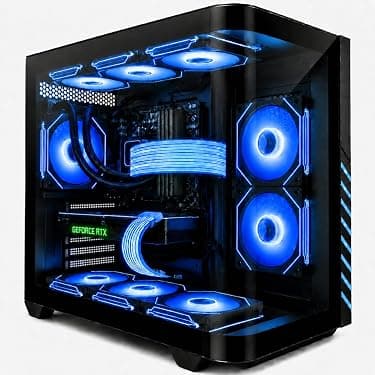
A PC built to match or exceed PS5-level specs can consistently deliver sharper image quality, more consistent frame rates, and better upscaling (via DLSS or FSR), even at a similar price point to the console.
Key Points:
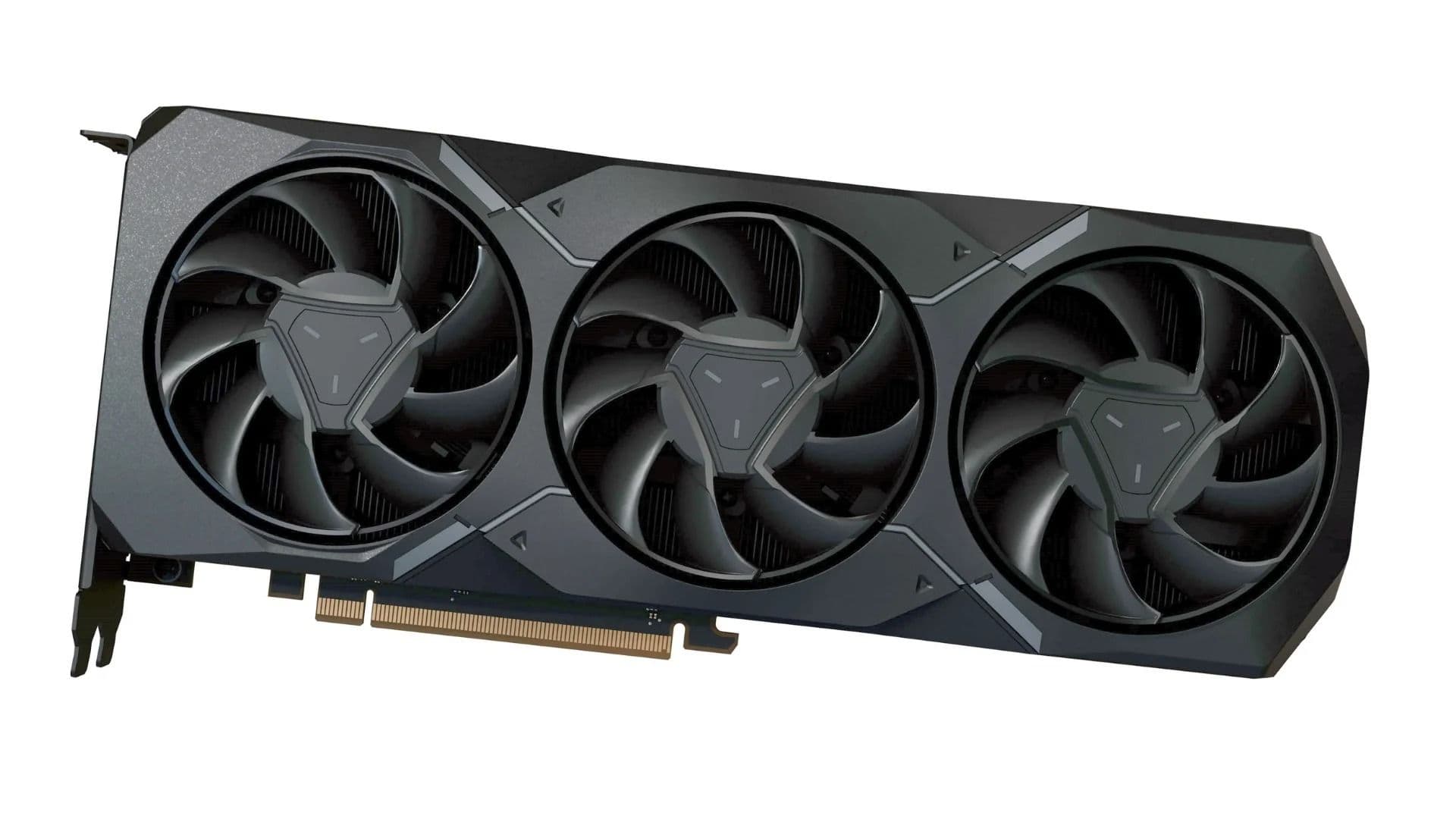
- PC builds using GPUs like the RTX 3070 or newer regularly match or exceed PS5 performance in direct testing
- PC gaming benefits from DLSS/FSR upscaling technology not available on console
- PS5 Pro closes some of this gap at its higher $899.99 price, but a similarly priced PC still generally wins on raw specs
Why It Matters: If maximum performance per dollar is your priority, PC currently has the edge — even against the more expensive PS5 Pro.
3. Game Pricing & Sales
Winner: Tie
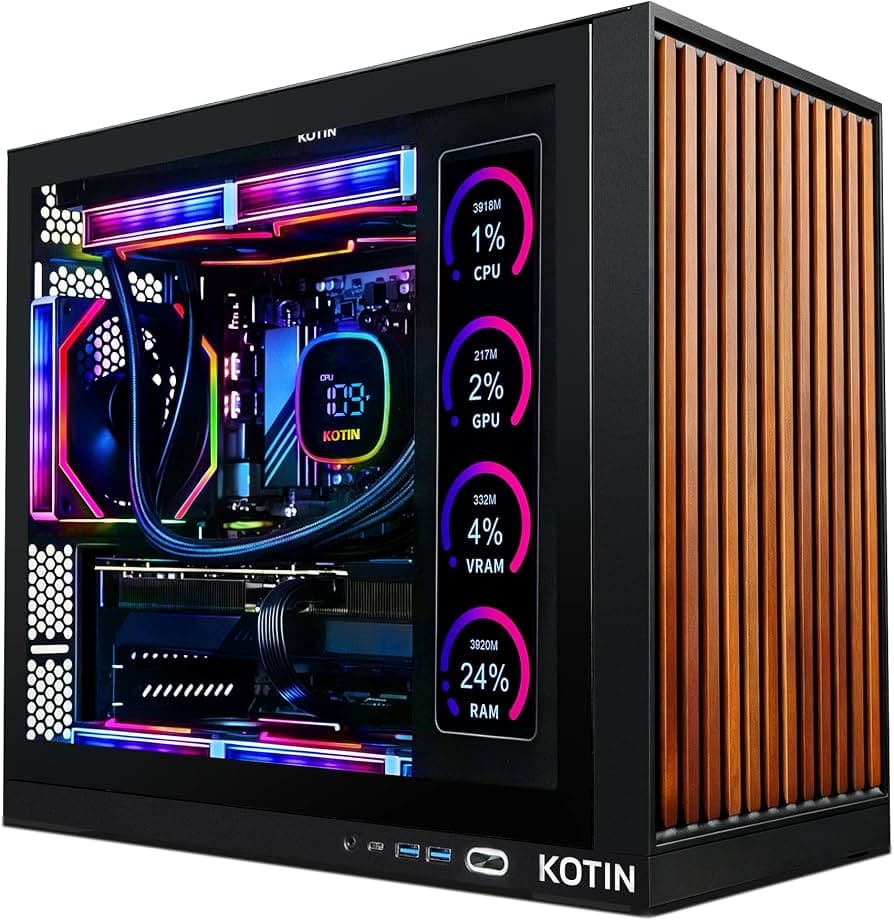
Both platforms offer genuinely competitive sales — Steam's seasonal sales are well known, but PlayStation Store discounts on games a few years old are frequently just as steep.
Key Points:
- PC: Deep, frequent Steam sales, plus competing storefronts (Epic Games Store, GOG) often undercutting each other
- PlayStation Store: Comparable discount depth on games roughly 3-4 years old, similar to PC sales patterns
- Neither platform sees most buyers paying full MSRP on games long-term
Why It Matters: The "PC games are so much cheaper" narrative is less true than it used to be — PlayStation's own sales largely keep pace once a game ages past its first year or two.
4. Game Library & Exclusives
Winner: PS5
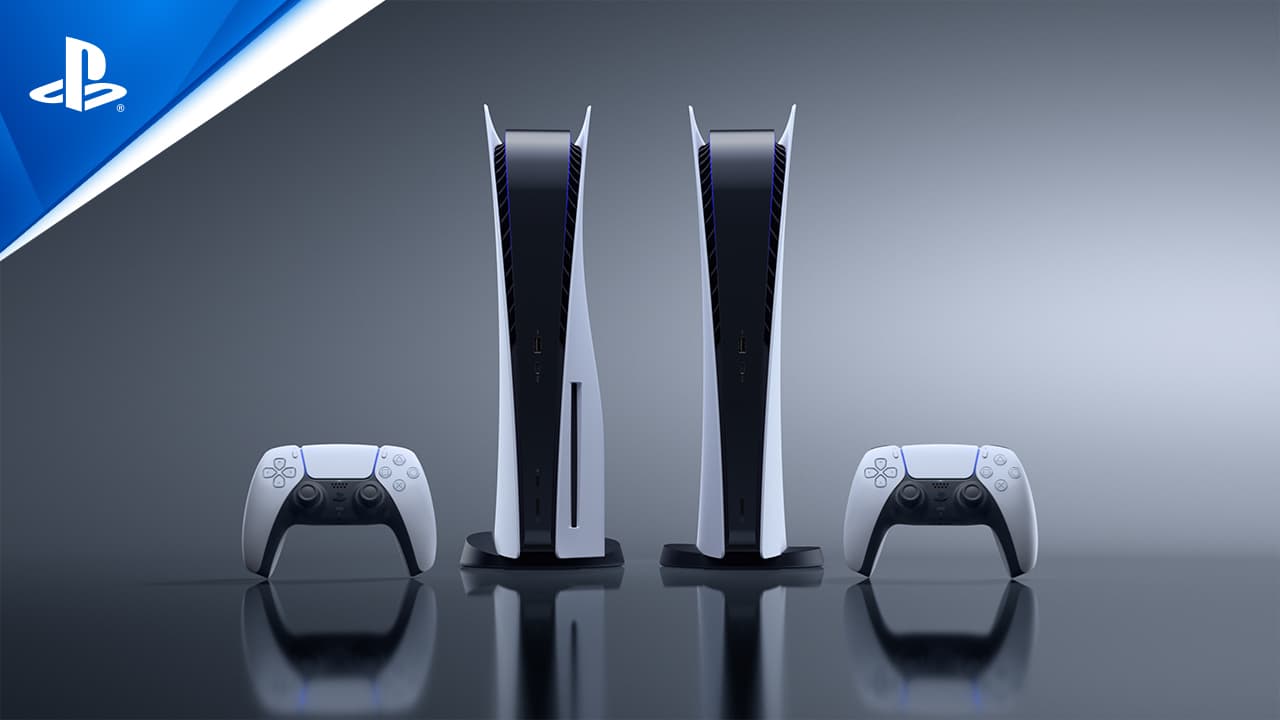
Sony's first-party exclusives remain a genuine differentiator, and the company has signaled it intends to keep certain titles console-exclusive going forward rather than continuing the recent trend of day-one or delayed PC ports.
Key Points:
- PS5: Access to Sony's first-party exclusive lineup, historically a major platform differentiator
- Recent statements from Sony suggest a pullback from the PC-porting trend seen in prior years
- PC: Access to the largest overall game library across multiple storefronts, but without guaranteed access to PlayStation exclusives
Why It Matters: If you specifically want to play Sony's flagship exclusives at launch, the PS5 remains the only reliable way to do that.
5. Ease of Use
Winner: PS5
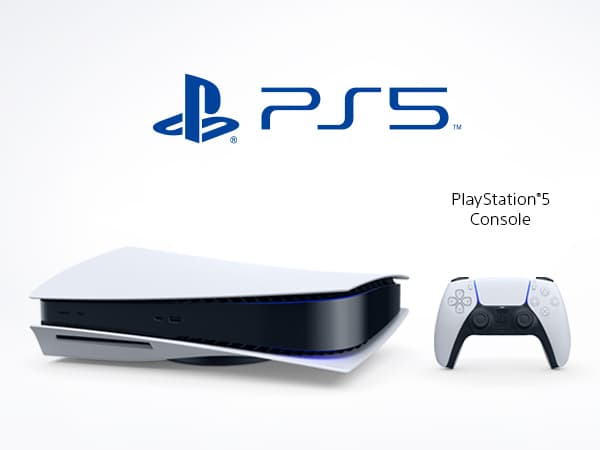
The PS5 remains the simpler, more consistent experience: no settings tuning, no driver updates, no hardware troubleshooting — just insert a disc or launch a digital install and play.
Key Points:
- PS5: Consistent performance target for every game, no manual settings tuning required
- PC: Requires occasional driver updates, settings tuning, and troubleshooting (e.g., HDR calibration, resolution scaling)
- PC: Rewards tuning with better results, but demands more technical comfort to get there
Why It Matters: For buyers who just want to turn on a device and play without fiddling, the PS5's plug-and-play simplicity is a real, meaningful advantage.
6. Online Multiplayer Costs
Winner: PC
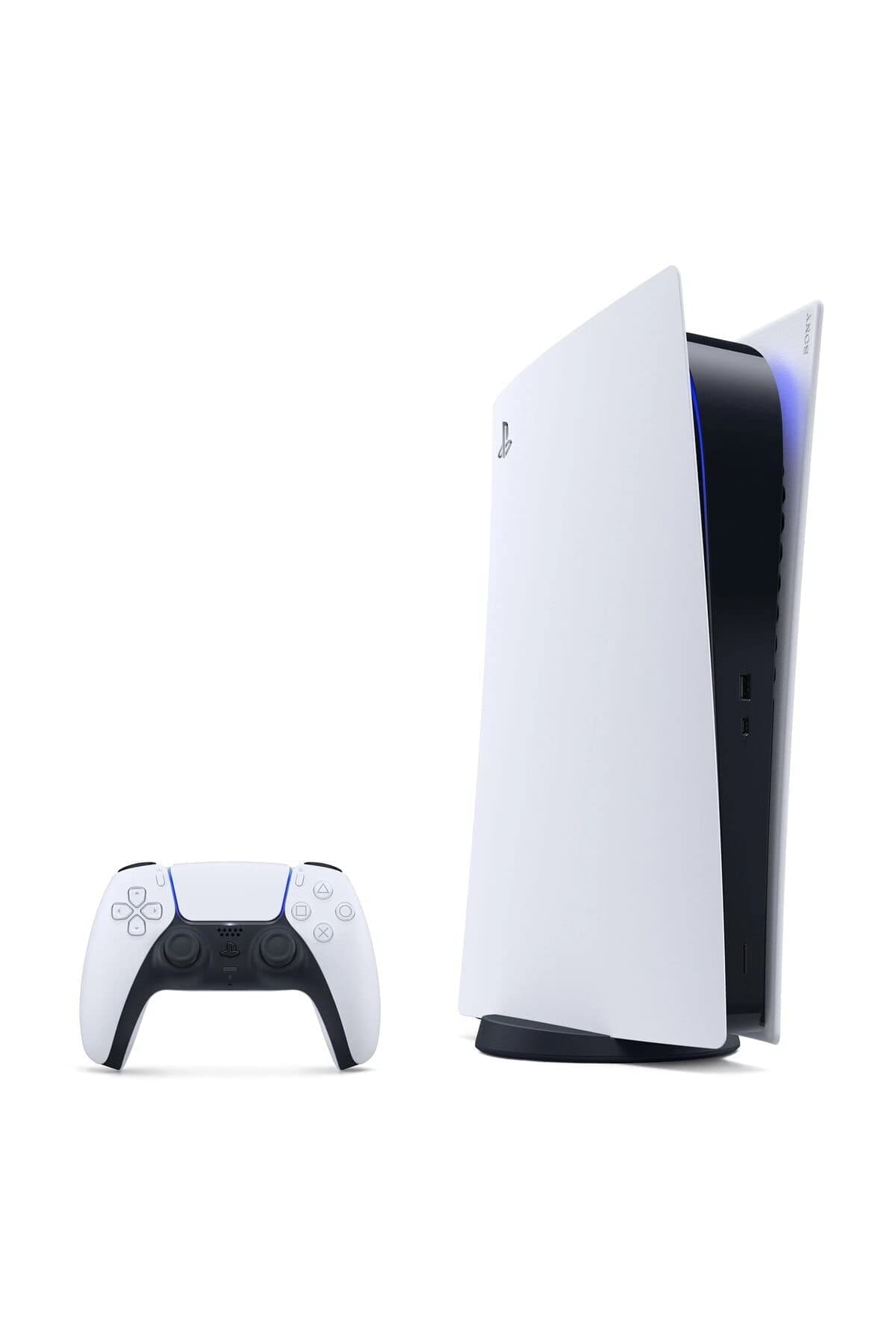
PC gaming has no equivalent to a mandatory paid subscription for online multiplayer — Steam's online infrastructure is free to use, while PS5 owners need a PlayStation Plus subscription to play most online multiplayer games.
Key Points:
- PlayStation Plus Essential: Required for online multiplayer on PS5, priced separately from the console itself
- PC: Online multiplayer through Steam, Epic, and other storefronts requires no additional subscription
- Over a console's multi-year lifespan, this becomes a meaningful recurring cost difference
Why It Matters: The PS5's true cost of ownership includes an ongoing subscription that PC gamers simply don't need to pay for equivalent online functionality.
7. Longevity & Upgradability
Winner: PC
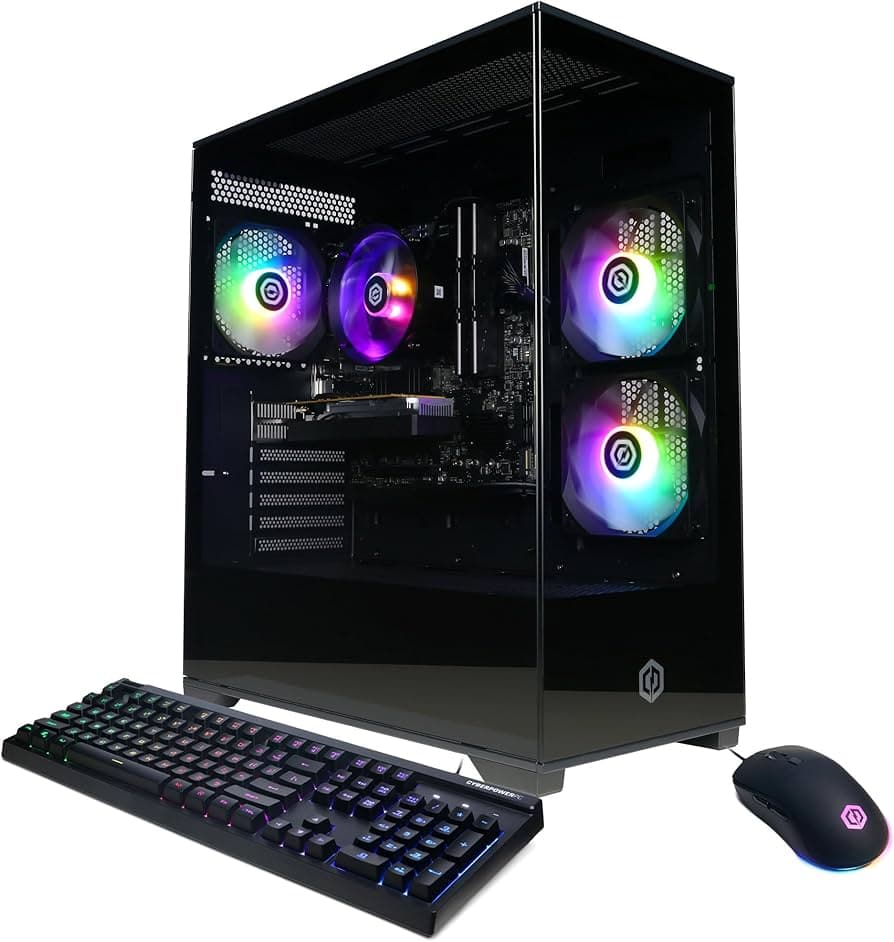
A PC can be incrementally upgraded piece by piece as budgets allow and components age, while a PS5 is a fixed piece of hardware for its entire generation, with no upgrade path beyond a full console replacement.
Key Points:
- PC: Swap a GPU, add RAM, or upgrade storage independently as needed
- PS5: No component upgrades possible beyond storage expansion
- PC: Hardware investment can span multiple console generations if upgraded incrementally
Why It Matters: Over a long enough timeline, a PC's ability to be upgraded piece by piece usually works out to better long-term value than replacing an entire console.
Final Verdict
Choose PS5 if: You want a simple, plug-and-play experience, care most about Sony's first-party exclusives, and don't want to deal with any hardware tuning or troubleshooting.
Choose PC if: You want the best long-term value, the flexibility to upgrade piece by piece, no mandatory online subscription, and access to the largest overall game library across multiple storefronts.
Sony's 2026 price increases have made this a closer call than it's been in years — at $649.99 for a base PS5, the console's traditional value advantage has largely evaporated against a well-shopped PC build. The deciding factor now comes down less to price and more to what you actually value: PlayStation's exclusive lineup and simplicity, or PC's flexibility, upgrade path, and lower long-term running costs.