Cat5e vs Cat6a: Which Ethernet Cable Is Actually Better?
Both Cat5e and Cat6a use the same RJ45 connector and plug into the same ports, but the similarities largely end there. If you want the honest, spec-backed answer: Cat6a is faster and more effective by a wide margin — the real question is whether you actually need what it offers, or whether Cat5e is good enough for your setup. Here's the full breakdown.
Quick Comparison
Category | Cat5e | Cat6a | ||
|---|---|---|---|---|
Max Speed | ❌ 1 Gbps | ✅ 10 Gbps | ||
Bandwidth | ❌ 100 MHz | ✅ 500 MHz | ||
Max Distance at Full Speed | ✅ 328 ft at 1 Gbps | ✅ 328-330 ft at 10 Gbps | ||
Interference Resistance | ⚠️ Reduced crosstalk vs. Cat5 | ✅ Best-in-class shielding/crosstalk | ||
Price (per ft, unshielded) | ✅ ~$0.015/ft | ❌ ~$0.040/ft | ||
Installation Ease | ✅ Thinner, easier to route | ❌ Thicker, stiffer, harder in tight spaces | ||
Best For | ✅ Budget/1 Gbps networks | ✅ Multi-gigabit, long runs, noisy environments |
1. Maximum Speed
Winner: Cat6a
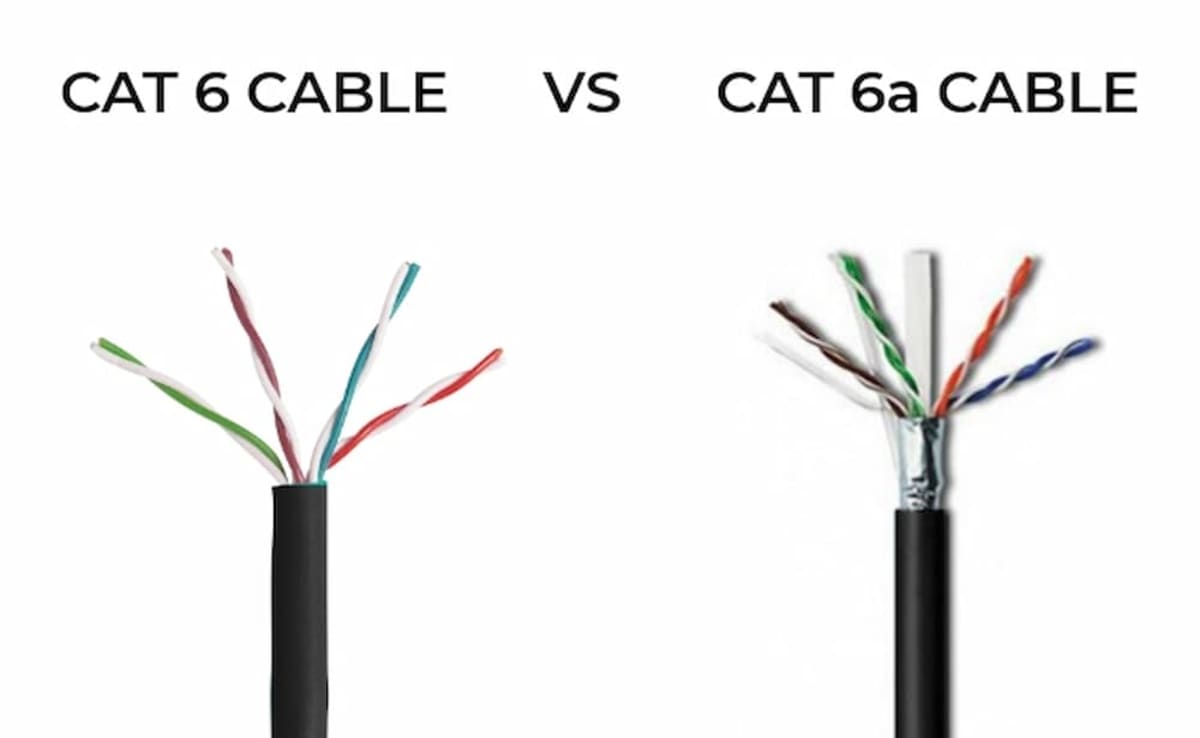
Cat6a supports a full 10 Gbps at its rated distance, while Cat5e tops out at 1 Gbps — a full 10x difference in raw maximum throughput.
Key Points:
- Cat5e: Up to 1 Gbps (1,000 Mbps)
- Cat6a: Up to 10 Gbps (10,000 Mbps)
- Cat6a is the clear winner if you need multi-gigabit speeds for NAS transfers, high-end gaming setups, or heavy local network traffic
Why It Matters: If your internet plan or local network hardware can actually push past 1 Gbps, Cat5e becomes the bottleneck — Cat6a removes that ceiling entirely.
2. Bandwidth
Winner: Cat6a
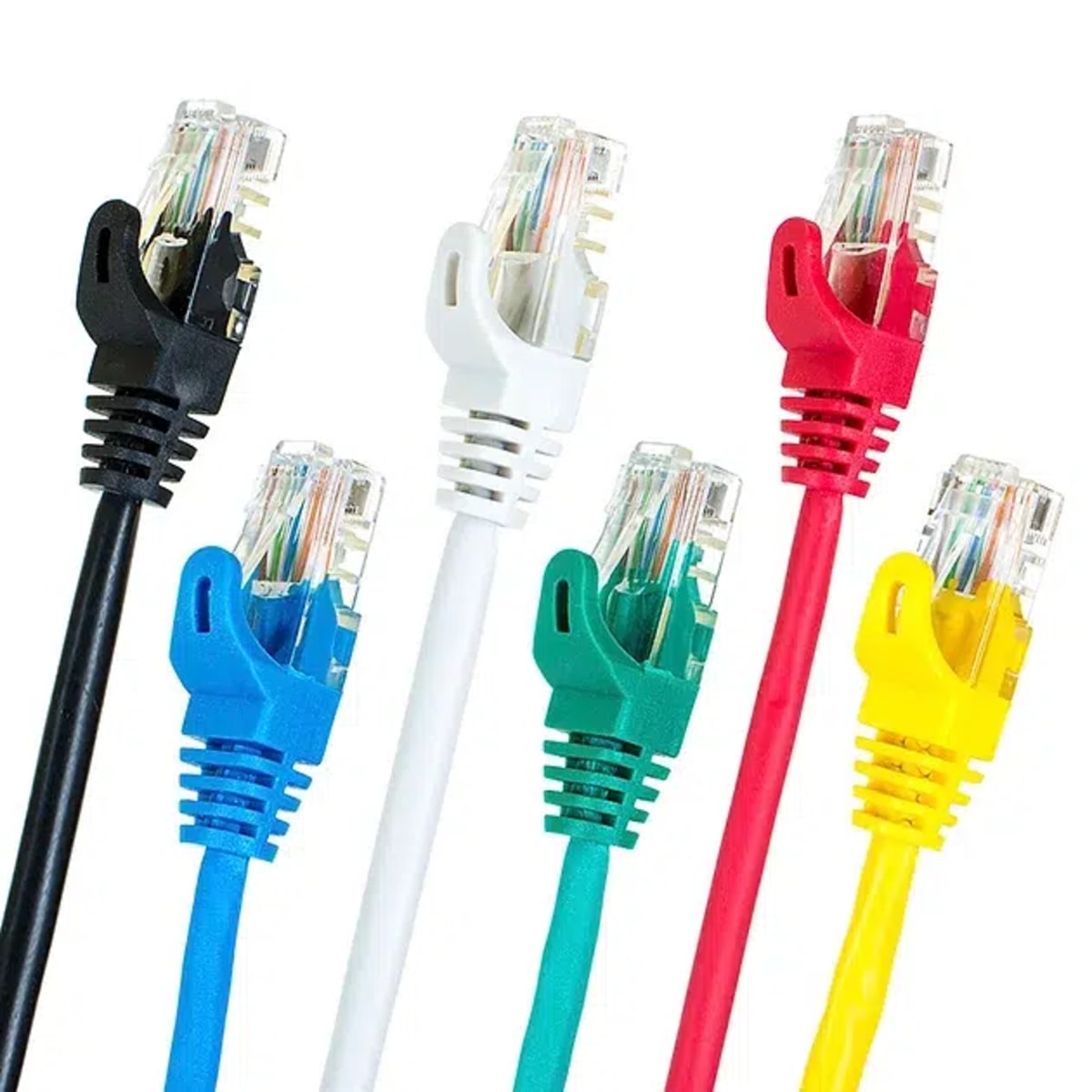
Cat6a carries double the signal bandwidth of Cat5e, which directly supports its higher sustainable data speeds.
Key Points:
- Cat5e: Rated at 100 MHz
- Cat6a: Rated at 500 MHz
- Higher bandwidth allows Cat6a to carry significantly more data per second with better signal integrity
Why It Matters: Bandwidth headroom is part of why Cat6a stays effective at 10 Gbps over much longer distances than older cable standards.
3. Maximum Effective Distance at Full Speed
Winner: Cat6a
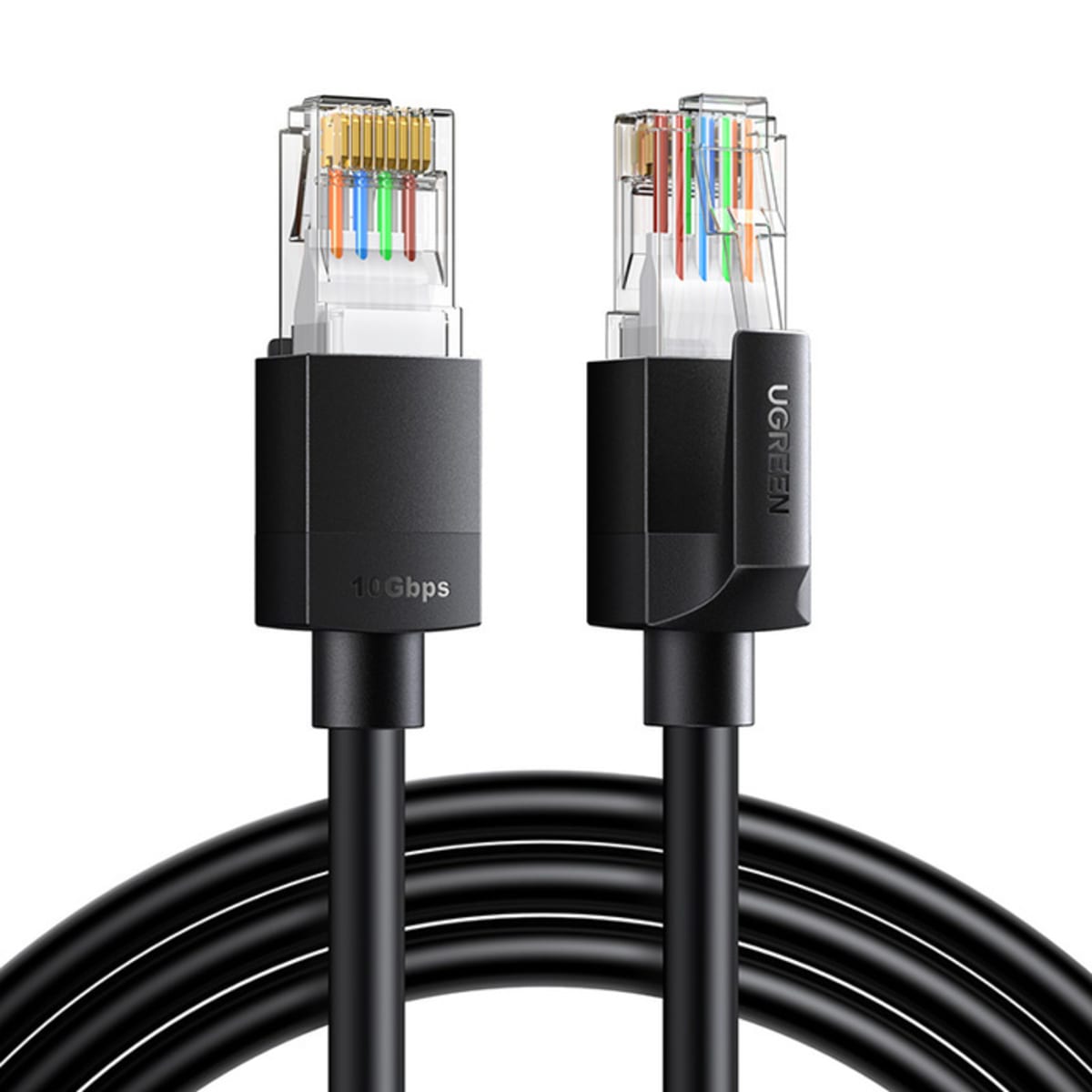
This is one of Cat6a's biggest practical advantages over other high-speed options: it maintains its full 10 Gbps speed across the entire standard 328-foot (100-meter) run, something even Cat6 can't do.
Key Points:
- Cat5e: Maintains its full 1 Gbps up to 328 feet
- Cat6a: Maintains its full 10 Gbps up to 328-330 feet (100 meters)
- For comparison, standard Cat6 only holds 10 Gbps up to about 164 feet before dropping to 1 Gbps
Why It Matters: If you need 10 Gbps speeds across a longer cable run — like wiring a whole house or office — Cat6a is really the only standard cable option that reliably delivers that speed at full distance.
4. Interference & Signal Effectiveness
Winner: Cat6a
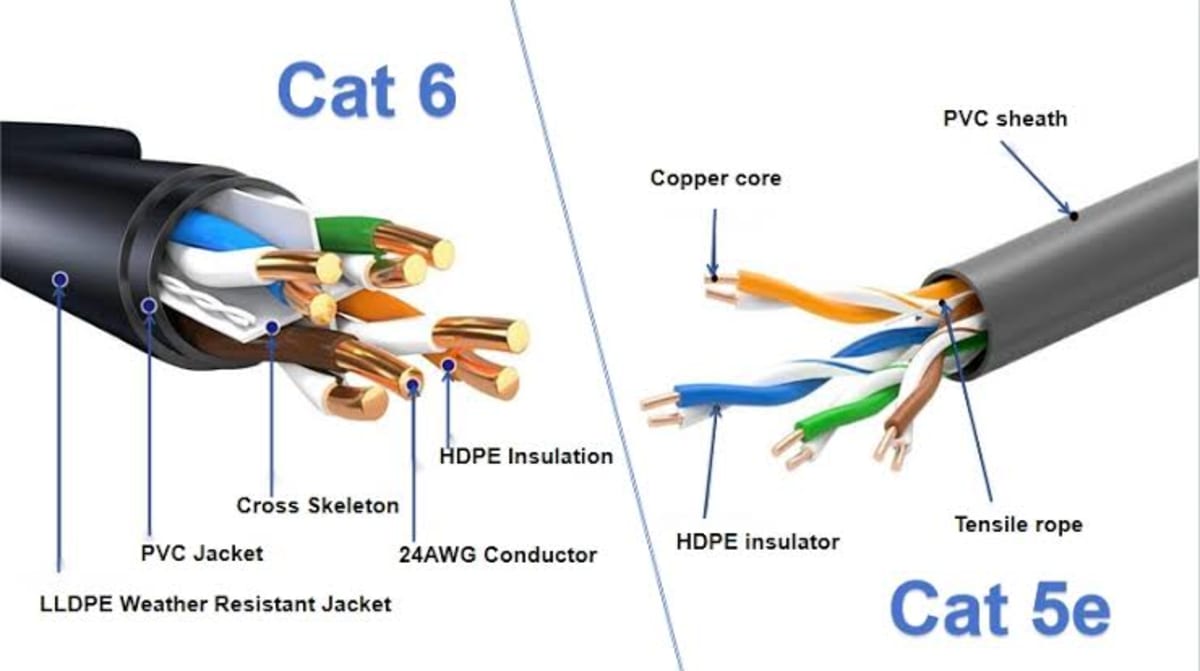
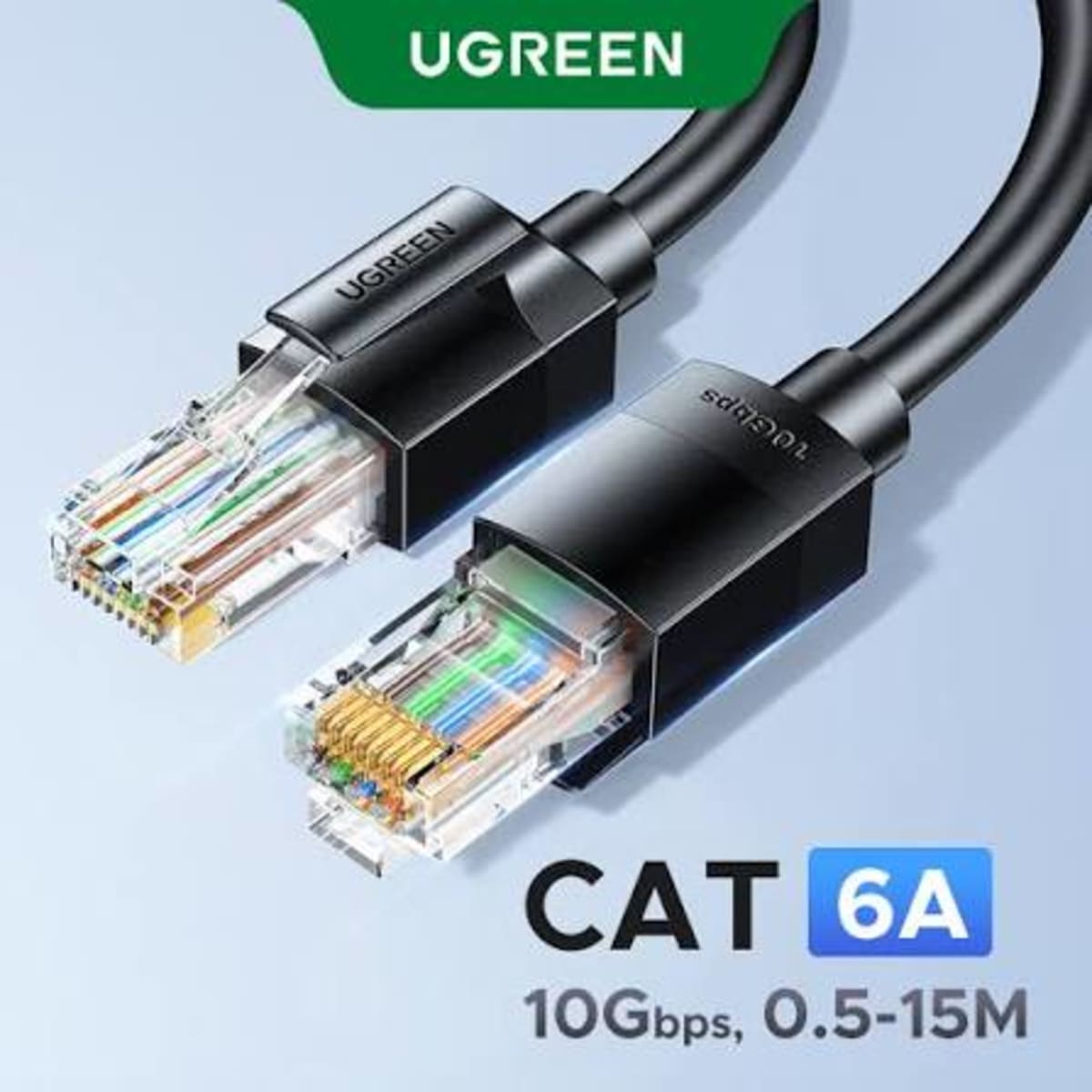
Cat6a's thicker construction and tighter wire winding create meaningfully less crosstalk and electromagnetic interference than Cat5e, making it more effective in electrically noisy environments.
Key Points:
- Cat6a: Thicker cable, more copper per inch, and heavier shielding options reduce signal degradation
- Cat5e: Reduced crosstalk compared to older Cat5, but still more susceptible to interference than Cat6a
- Cat6a performs especially well in industrial spaces, data centers, or areas with heavy electrical equipment nearby
Why It Matters: If your cable run passes near electrical wiring, fluorescent lighting, or industrial equipment, Cat6a's shielding advantage translates into fewer dropped packets and more consistent real-world performance.
5. Price
Winner: Cat5e
Cat5e remains meaningfully cheaper, and that gap compounds significantly on larger installs — a job quoted at $10,000 in Cat5e could run roughly $16,000-$17,000 in Cat6a.
Key Points:
- Approximate per-foot pricing: Cat5e around $0.015/ft vs. Cat6a around $0.040/ft (unshielded, base cable cost)
- Cat6a typically runs about 60-70% more expensive than Cat5e for the same length of cable
- Shielded (STP) versions of either cable add another 30-40% on top of these base prices
Why It Matters: For budget-conscious installs or networks that will never need more than 1 Gbps, Cat5e's lower price is a legitimate reason to stick with it rather than over-buying capacity you won't use.

6. Installation & Flexibility
Winner: Cat5e
Cat5e's thinner, more flexible construction makes it noticeably easier to run through tight spaces, existing conduit, or walls with limited clearance compared to Cat6a's thicker, stiffer cable.
Key Points:
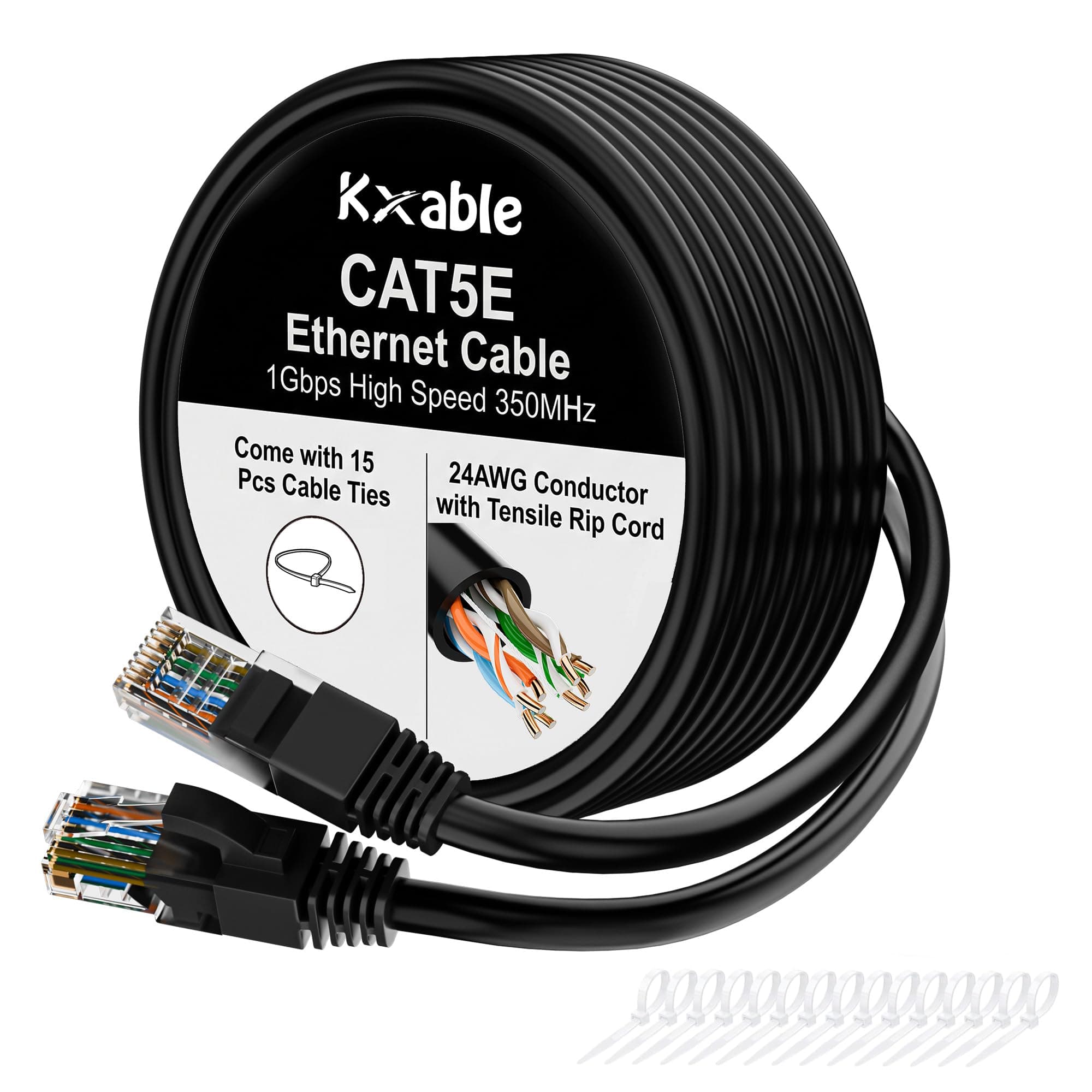
- Cat5e: Thinner 24-gauge wire, easier to bend and route through tight spaces
- Cat6a: Thicker 23-gauge wire with heavier shielding, more difficult to install in cramped conduit or walls
- Retrofitting older buildings with existing narrow conduit often favors Cat5e or standard Cat6 over Cat6a
Why It Matters: If you're pulling cable through an older building with tight existing pathways, Cat6a's bulk can turn a simple cable run into a genuinely difficult install.
Final Verdict
Choose Cat6a if: You want the highest available speed and best real-world effectiveness — multi-gigabit local networking, NAS or server transfers, longer cable runs that still need full 10 Gbps, or noisy electrical environments where signal integrity matters.
Choose Cat5e if: Your network and internet plan don't exceed 1 Gbps, budget is a real constraint, or you're routing cable through tight spaces where Cat6a's thicker construction would be difficult to install.
If the question is purely "which cable is faster and more effective," Cat6a wins clearly and by a wide margin — 10x the speed, double the bandwidth, and meaningfully better resistance to interference. The only reasons to choose Cat5e over it are cost and ease of installation, both of which are real, practical considerations, but neither of which makes Cat5e the better-performing cable.