Every Version of Windows, Ranked: Which Is the Best?
Windows has gone through more than three decades of reinventions, missteps, and genuine leaps forward. Ranking every major version is inherently a bit subjective — nostalgia plays a real role — but stability, longevity, and how well each version aged are the main criteria here. This ranking starts with the version most people still consider Windows at its best, counting down to the weakest release.
Quick Comparison
Windows Version | Released | Rating | Best Known For | ||
|---|---|---|---|---|---|
Windows 7 | 2009 | ✅ 9.5/10 | Widely considered the peak of Windows | ||
Windows 10 | 2015 | ✅ 9/10 | Long-running workhorse, huge compatibility | ||
Windows 11 | 2021 | ✅ 8.5/10 | Current, most secure, actively supported | ||
Windows XP | 2001 | ✅ 8.5/10 | Beloved, stable, used for over a decade | ||
Windows 95 | 1995 | ✅ 7/10 | Introduced the Start menu and taskbar | ||
Windows 8.1 | 2013 | ⚠️ 6.5/10 | Walked back Windows 8's worst decisions | ||
Windows 98 | 1998 | ⚠️ 6.5/10 | Added USB support, still DOS-based | ||
Windows 2000 | 2000 | ⚠️ 6/10 | Stable NT kernel, but business-only | ||
Windows 8 | 2012 | ⚠️ 4/10 | Removed the Start menu, alienated desktop users | ||
Windows Vista | 2007 | ❌ 3/10 | Important security overhaul, but resource-heavy and unstable at launch | ||
Windows ME | 2000 | ❌ 2/10 | Widely considered the worst mainstream release |
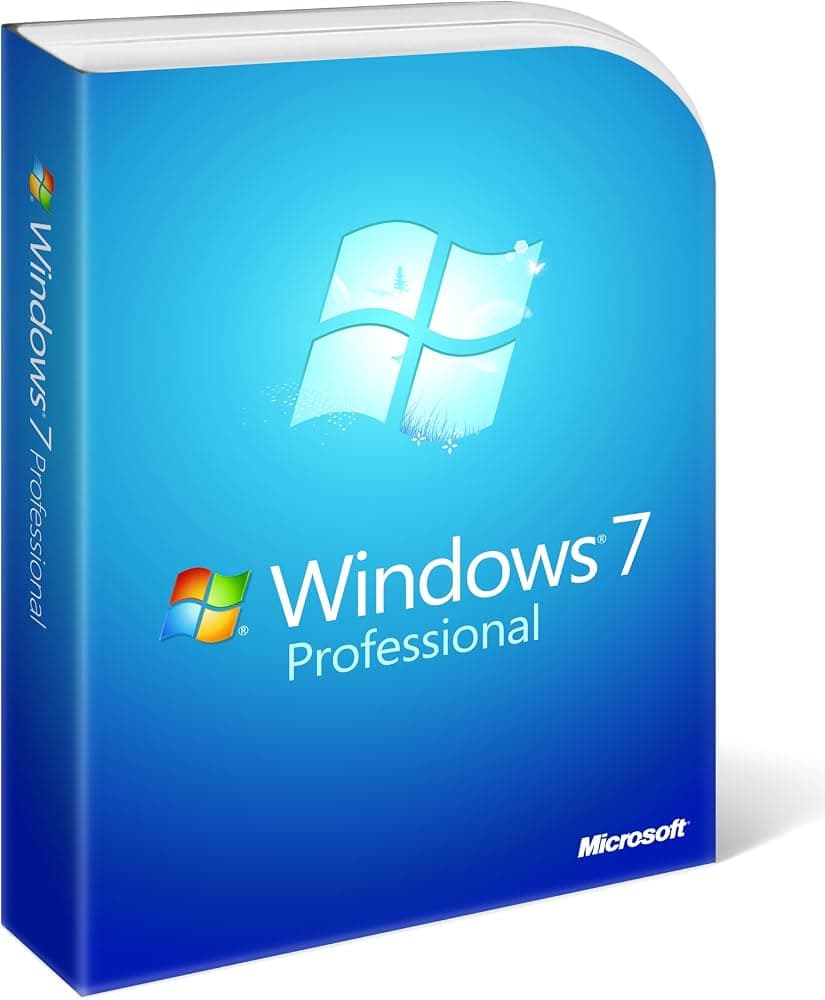
1. Windows 7
Released: 2009
Rating: 9.5/10
Widely considered the high point of Windows by both critics and everyday users, Windows 7 combined Vista's underlying security improvements with genuinely fast performance, a polished interface, and none of Vista's driver headaches.
Key Points:
- Fast, stable, and lightweight compared to Vista, even on modest hardware
- Refined the taskbar and window-snapping features that later versions built on
- Remained popular for years after successor releases launched, a rare feat for an OS
The Verdict: The version most people point to when they say "that's when Windows just worked" — it's the benchmark every version since has effectively been measured against.
2. Windows 10
Released: 2015
Rating: 9/10
Windows 10 corrected Windows 8's course entirely, bringing back a proper Start menu while keeping the performance and security improvements underneath, and it went on to become one of the longest-running, most widely used versions in Windows history.
Key Points:
- Restored a full Start menu alongside modern app support
- Extremely broad hardware compatibility, running well on both old and new PCs
- Support officially ended October 14, 2025, though consumer ESU coverage now runs through October 2027
The Verdict: A workhorse release that millions of people are still actively using years after its official end of support — a testament to how well it did its job.

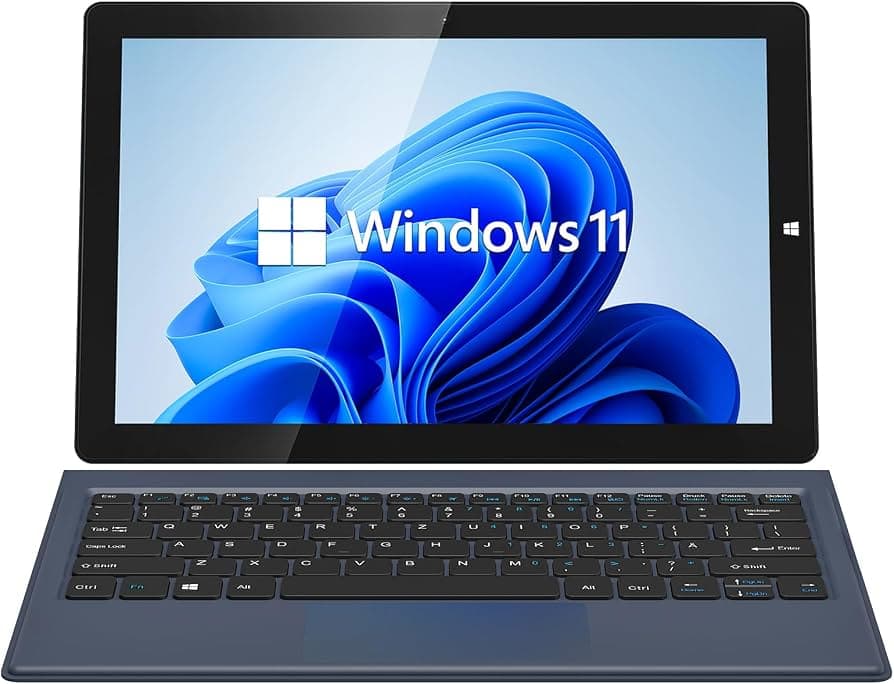
3. Windows 11
Released: 2021
Rating: 8.5/10
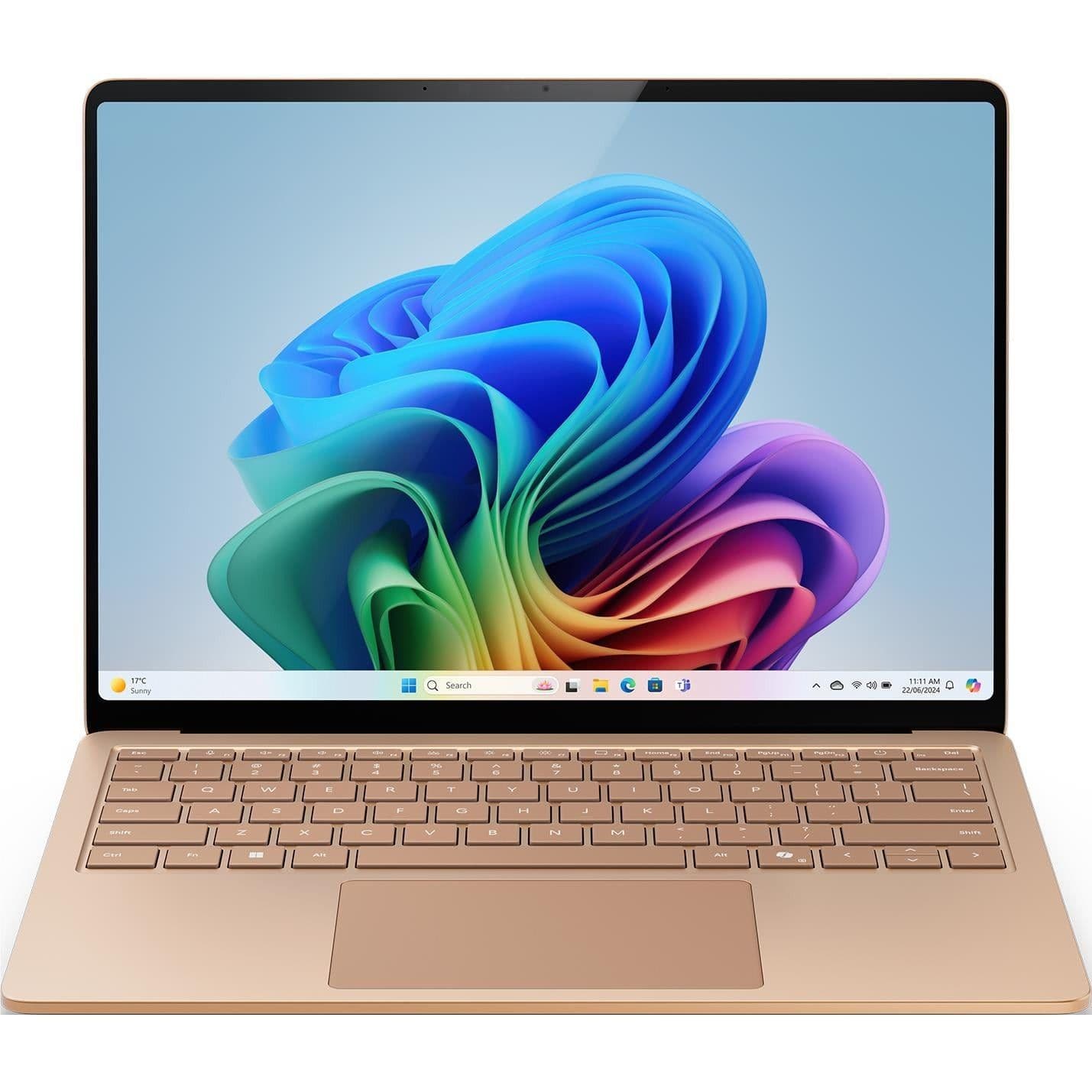
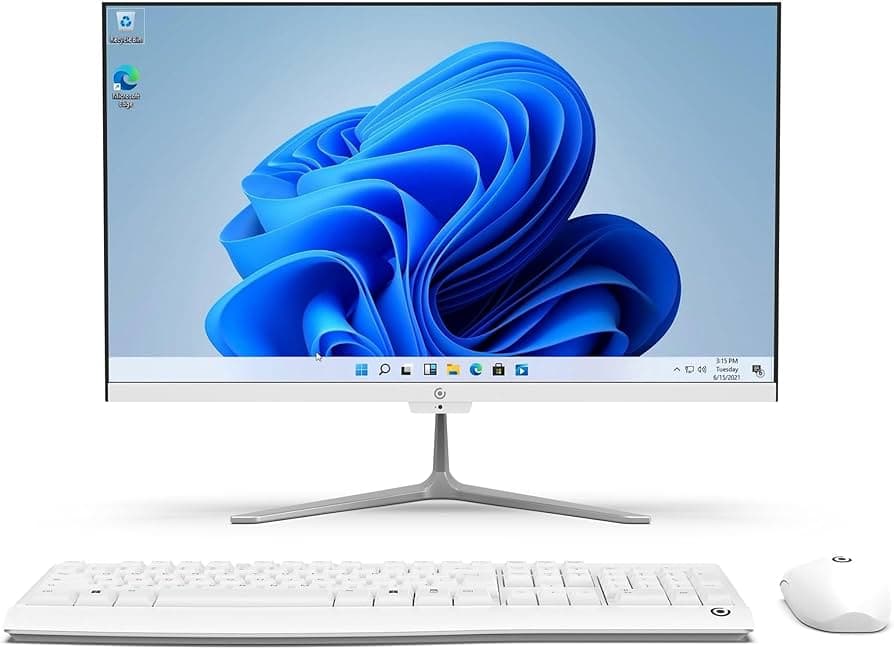
The current version of Windows brought a cleaner design, tighter security requirements (including mandatory TPM support), and has continued to receive meaningful feature updates through 2026, including a movable taskbar and more flexible update controls.
Key Points:
- Stricter hardware requirements (TPM 2.0, Secure Boot) improved baseline security
- Redesigned interface with centered Start menu and Taskbar
- Continues receiving active feature updates, with 25H2 as the current release as of 2026
The Verdict: The most secure and actively developed version of Windows today — its stricter requirements frustrated some upgraders, but it's clearly the right choice for anyone buying a new PC now.
4. Windows XP
Released: 2001
Rating: 8.5/10
One of the most beloved Windows releases ever, XP combined the NT kernel's stability with a genuinely polished, consumer-friendly interface, and stuck around in active use for well over a decade.
Key Points:
- Merged the stable NT kernel with a consumer-focused interface for the first time
- Remained in widespread use over a decade after launch, including in many businesses
- Eventually became a long-term security liability as support wound down
The Verdict: A genuine classic, and for many people still the version that "feels like" Windows — its longevity says as much as any spec sheet could.
5. Windows 95
Released: 1995
Rating: 7/10
A genuinely revolutionary release in its time, Windows 95 introduced the Start menu, taskbar, and plug-and-play hardware support — the template that Windows would follow for the next three decades.
Key Points:
- Introduced the Start menu and taskbar for the first time
- Brought plug-and-play hardware detection to mainstream Windows
- Still built on MS-DOS underneath, limiting long-term stability
The Verdict: Historically the most important release on this list — the UI conventions it introduced are still recognizable in Windows today.
6. Windows 8.1
Released: 2013
Rating: 6.5/10
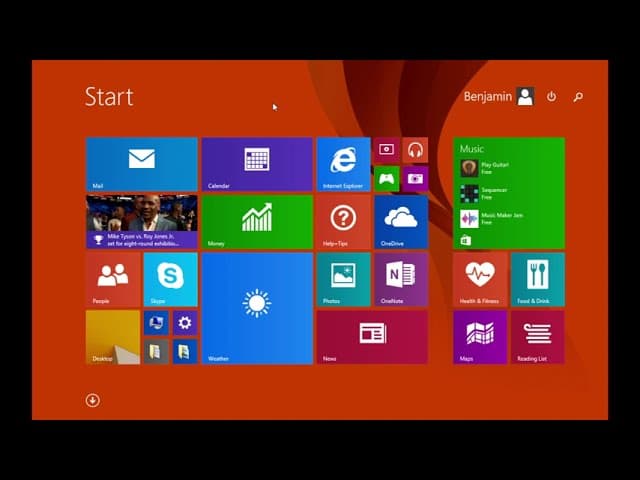
Windows 8.1 walked back several of Windows 8's most controversial decisions, bringing back a Start button and giving users the option to boot straight to the desktop.
Key Points:
- Reintroduced a Start button (though still opening the tile-based Start screen by default)
- Added the option to boot directly to desktop, bypassing the Start screen
- Free update for existing Windows 8 users
The Verdict: A meaningful course correction that made Windows 8 tolerable, even if it took a full Windows 10 release to actually fix the underlying problem.
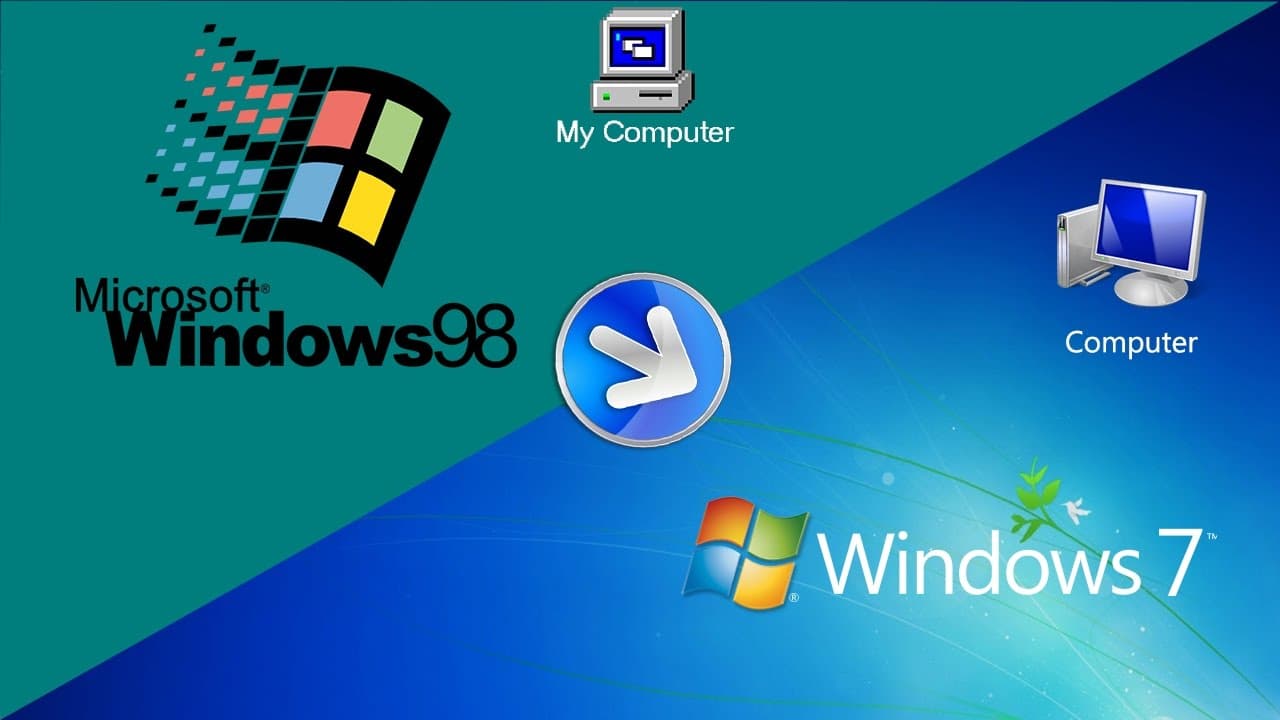
7. Windows 98
Released: 1998
Rating: 6.5/10
An incremental but meaningful improvement over Windows 95, Windows 98 added better hardware support and USB compatibility, though it remained built on the same fundamentally limited DOS-based architecture.
Key Points:
- Native USB support, a major improvement for peripheral compatibility
- Included Internet Explorer integration and improved networking tools
- Still inherited the stability limitations of the DOS-based Windows 9x architecture
The Verdict: A solid, well-liked release in its era, but one that hasn't aged as gracefully as its NT-based contemporaries.
8. Windows 2000
Released: 2000
Rating: 6/10
Built on the more stable NT kernel rather than the consumer MS-DOS line, Windows 2000 was a genuinely solid, business-focused release — it just wasn't meant for, or marketed to, everyday home users.
Key Points:
- NT-kernel stability, a major step up from the consumer Windows 9x line
- Marketed primarily at businesses and enterprise environments
- Laid the technical groundwork that Windows XP would later build on
The Verdict: An important bridge release in Windows' history, even if most home users never touched it directly.

9. Windows 8
Released: 2012
Rating: 4/10
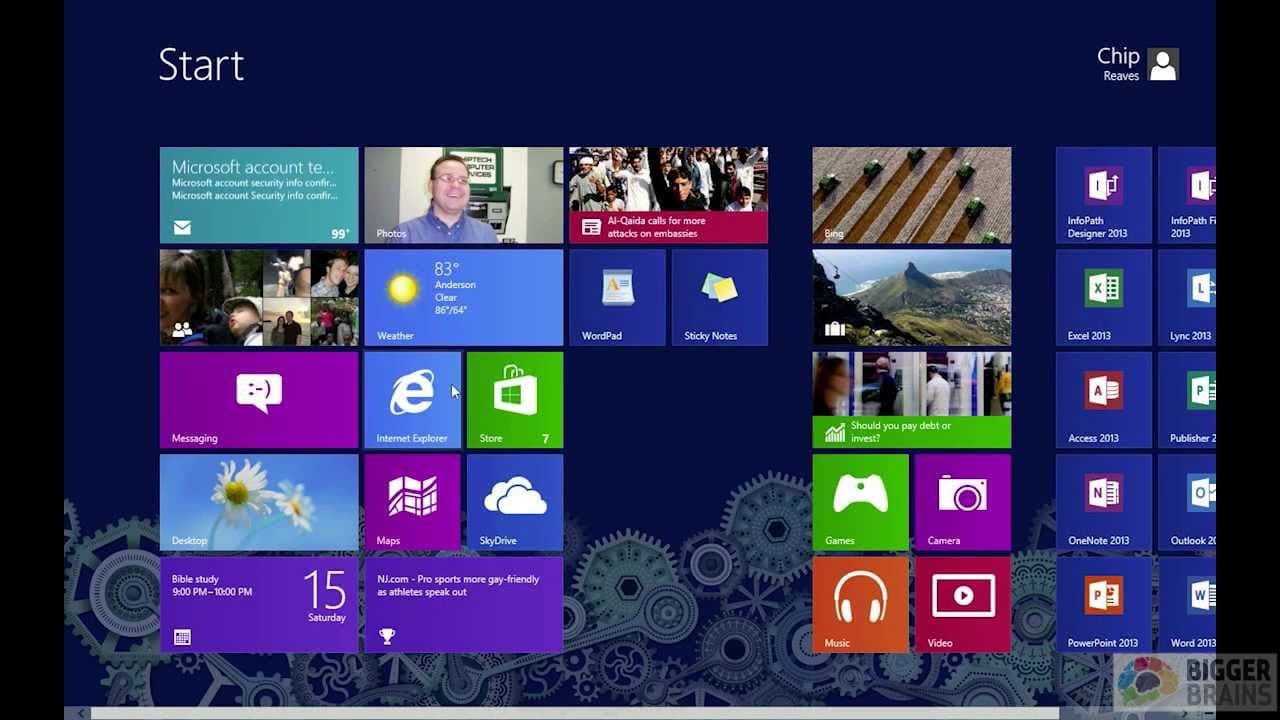
Windows 8 tried to unify desktop and tablet computing with a touch-first Start screen, but removing the Start menu entirely alienated the vast majority of desktop and laptop users who had no touchscreen to use it on.
Key Points:
- Replaced the Start menu with a full-screen, tile-based Start screen
- Genuinely faster boot times and improved task manager over Windows 7
- Steep learning curve for keyboard-and-mouse users, widely criticized at launch
The Verdict: Ambitious but badly misjudged for its actual user base — most of its good ideas didn't stick until they were reworked in later versions.
10. Windows Vista
Released: 2007
Rating: 3/10
Vista introduced genuinely important under-the-hood security improvements, but its heavy resource requirements, unfinished driver ecosystem at launch, and constant User Account Control prompts made it a frustrating experience for most users.
Key Points:
- Introduced User Account Control (UAC) and major security architecture changes
- Demanded far more RAM and GPU power than most PCs of the era had
- Driver support was incomplete for months after launch, breaking many peripherals
The Verdict: A genuinely important release for security's sake, but one that Microsoft essentially had to apologize for with Windows 7 two years later.

11. Windows ME (Millennium Edition)
Released: 2000
Rating: 2/10
Widely regarded as the worst mainstream version of Windows ever shipped, Windows ME was rushed to market, built on an aging MS-DOS foundation, and became infamous for crashes, driver conflicts, and instability.
Key Points:
- Frequent crashes and system freezes, even during normal use
- Removed real-mode DOS access, breaking compatibility with some existing software
- Rushed development cycle led to widespread quality issues at launch
The Verdict: A cautionary tale more than an operating system — most users who could avoid it did, and Microsoft moved to the NT-based Windows 2000/XP lineage shortly after.

Final Verdict
If you want the best Windows ever made (nostalgia-adjusted): Windows 7 remains the sentimental and practical favorite for most longtime users — fast, stable, and simple.
If you want the best Windows you can actually use today: Windows 11 is the only genuinely correct choice, since it's the sole version still receiving full, ongoing security and feature support in 2026.
If you're stuck on Windows 10: You're not alone — but with mainstream support ended and only extended security coverage keeping it alive through October 2027, it's worth planning your move to Windows 11 sooner rather than later.
Windows' history is really a story of two-steps-forward-one-step-back: nearly every well-received release (95, XP, 7, 10) was followed by a more divisive one (98's limitations, Vista, 8, and to a lesser extent 11) before the next version corrected course. If that pattern holds, whatever comes after Windows 11 will be worth watching closely.